
A Homeowner's Guide: Choosing the Best Tile for High-Traffic Coastal Floors
Living here in Wilmington means embracing a lifestyle where sandy feet and damp towels are a part of daily life. While we love being close to the beach, our floors often bear the brunt of our coastal adventures. Sand, salt, and humidity can be tough on many flooring materials, leading to scratches, warping, and constant cleaning. So, how do you find a floor that’s as resilient as it is beautiful? The answer often lies in choosing the right tile.
At Wilmington Tile and Renovation, we know that a great floor is the foundation of a comfortable and functional home. The right tile can withstand the busiest households, resist moisture, and look stunning for years to come. This guide will walk you through the key factors to consider—from durability ratings to slip resistance—to help you select the perfect tile for your high-traffic coastal home.
Durability First: Why Material and Wear Ratings Matter
When it comes to flooring, not all tiles are created equal. The first thing to consider for a high-traffic area like an entryway, kitchen, or main hallway is the tile's durability. The single most important indicator of this is the PEI (Porcelain Enamel Institute) rating, which measures a tile's surface resistance to wear and abrasion.
Here’s a quick breakdown:
- PEI 1 & 2: Best for walls or very light-traffic floors, like a guest bathroom that doesn't get much use.
- PEI 3: Suitable for most residential floors with moderate traffic.
- PEI 4: Ideal for all residential applications, including high-traffic areas, and even some light commercial spaces.
- PEI 5: The toughest of the tough, designed for heavy commercial traffic.
For most homes, a tile with a PEI rating of 3 or 4 offers the perfect balance of durability and design options. This ensures your floor can handle daily foot traffic, dropped keys, and the inevitable grit that comes with coastal living, protecting your investment and maintaining its beauty.
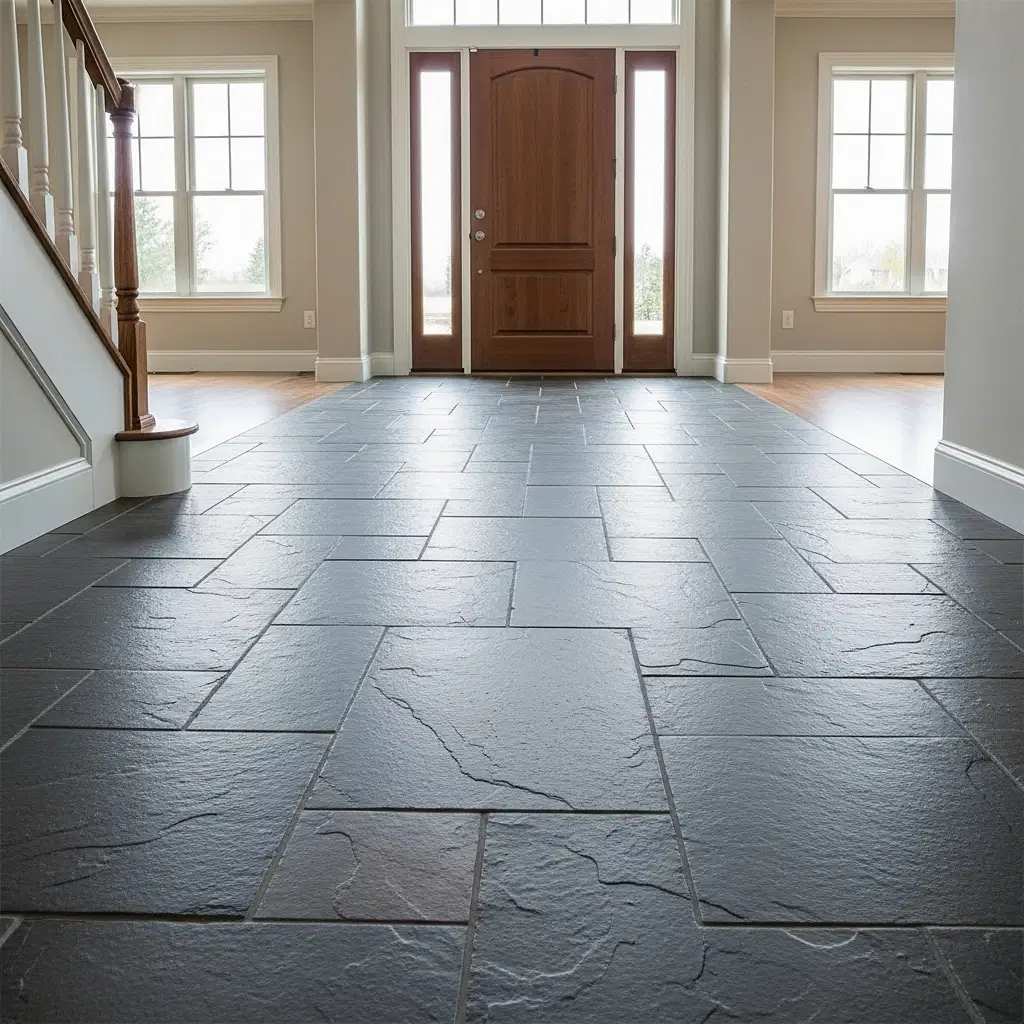
Battling the Coastal Elements: Water, Sand, and Salt Air
Our unique environment presents specific challenges that your flooring must overcome. Humidity, moisture, and abrasive sand require a tile that is fundamentally tough.
Water Absorption: The key difference between porcelain and ceramic tile lies in their water absorption rate. Porcelain is fired at a higher temperature and made from a denser clay, making it less porous. The industry standard requires porcelain tile to have a water absorption rate of 0.5% or less. This makes it an outstanding choice for any area prone to moisture, from bathrooms to mudrooms, as it resists staining and damage from humidity.
Sand and Scratches: Sand is essentially tiny, sharp rocks. A smooth, glossy tile might look beautiful at first, but it will show scratches more easily. Consider a tile with a matte or textured finish. These surfaces are better at hiding minor wear and tear. Furthermore, through-body porcelain, where the color runs all the way through the tile, is an excellent option because if it does chip, the damage is far less noticeable.
Salt Air Resistance: The persistent salt air can be corrosive to certain materials over time. Porcelain's dense, non-porous nature makes it highly resistant to the effects of salt, ensuring it won't degrade or discolor.
Safety and Style: Slip Resistance and Top Tile Choices
With water being a constant, from rainy days to post-beach rinses, slip resistance is a critical safety feature. The DCOF (Dynamic Coefficient of Friction) rating measures how much friction a tile has. For any level interior space that might get wet, you should look for a tile with a DCOF rating of 0.42 or higher. This is especially important for bathroom remodels, kitchens, and entryways.
So, what are the best options?
-
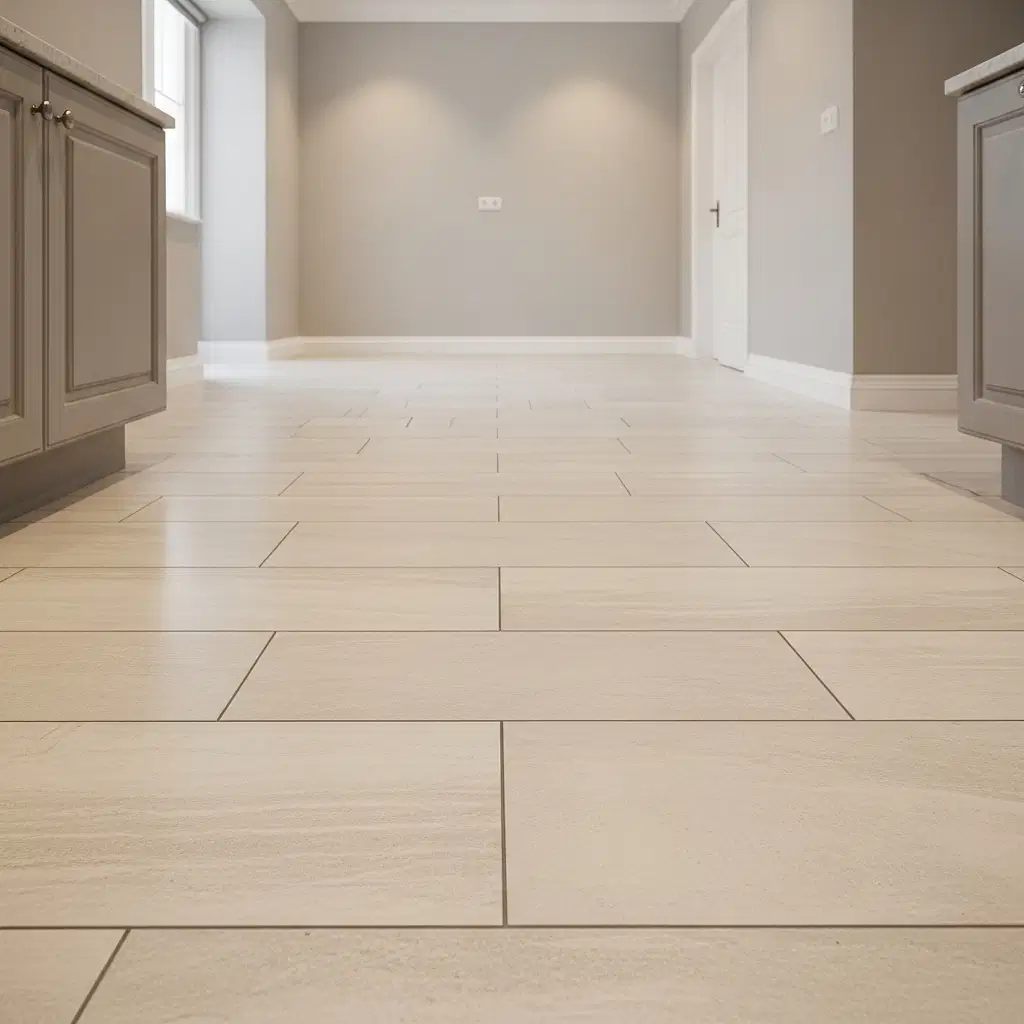
Porcelain Tile: This is the top contender for coastal homes. It boasts a high PEI rating, extremely low water absorption, and excellent resistance to scratches and salt. With modern printing technology, you can find porcelain that convincingly mimics the look of natural wood, stone, or concrete, giving you endless style possibilities without the maintenance headaches.
-
Glazed Ceramic Tile: A cost-effective and versatile option, ceramic tile comes in a vast array of colors and patterns. While not as dense as porcelain, a ceramic tile with a PEI 3 or 4 rating is still a solid choice for many residential floors. Just be sure to check its water absorption and DCOF ratings for wet areas.
-
Natural Stone: Materials like travertine and slate offer unparalleled natural beauty. However, they are porous and require regular sealing to protect against stains and water damage. They can also be more susceptible to scratching from sand. While beautiful, they represent a higher-maintenance choice for a busy coastal home.
Choosing the right tile floor is about finding the perfect intersection of your home's needs and your personal style.
Make the Right Choice for Your Coastal Home
Selecting the right tile for your high-traffic floors is a crucial decision that impacts your home's safety, durability, and aesthetic. By focusing on a high PEI rating for wear resistance, choosing a low-absorption material like porcelain to combat moisture, and ensuring a proper DCOF rating for slip resistance, you can find a floor that will stand up to the coastal lifestyle beautifully.
Feeling overwhelmed by the options? You don't have to do it alone. The team at Wilmington Tile and Renovation has the expertise to guide you through the selection process and provide a flawless installation. We're here to help you find the perfect foundation for your Wilmington home. Ready to get started? Contact us today for a professional consultation!