
Mastering Your Kitchen Tile Installation Sequence and Planning
Taking on a kitchen remodel is an exciting journey, especially when you are fixin' to breathe new life into the heart of your home. However, it can also feel overwhelming. Between navigating fluctuating material costs, worrying about supply chain disruptions, and trying to keep your daily routine intact, the logistics of a renovation require careful planning. For homeowners in Wilmington, managing these moving parts while ensuring top-tier craftsmanship is a top priority.
One of the most critical aspects of any kitchen renovation is understanding the project timeline, particularly when it comes to tilework. Knowing exactly when each element should be installed prevents costly rework and keeps your project moving smoothly. Today, modern technology has made this planning phase easier than ever. With tools like Kitchen and Bath 3D Design with HouzzPro, you can visualize the entire space and digitally map out the workflow before a single hammer is swung. This level of transparency helps eliminate the miscommunication that often plagues remodeling projects and allows you to see exactly how your tile choices will interact with your cabinets and countertops.
The Essential Order of Operations for Kitchen Tile Remodel
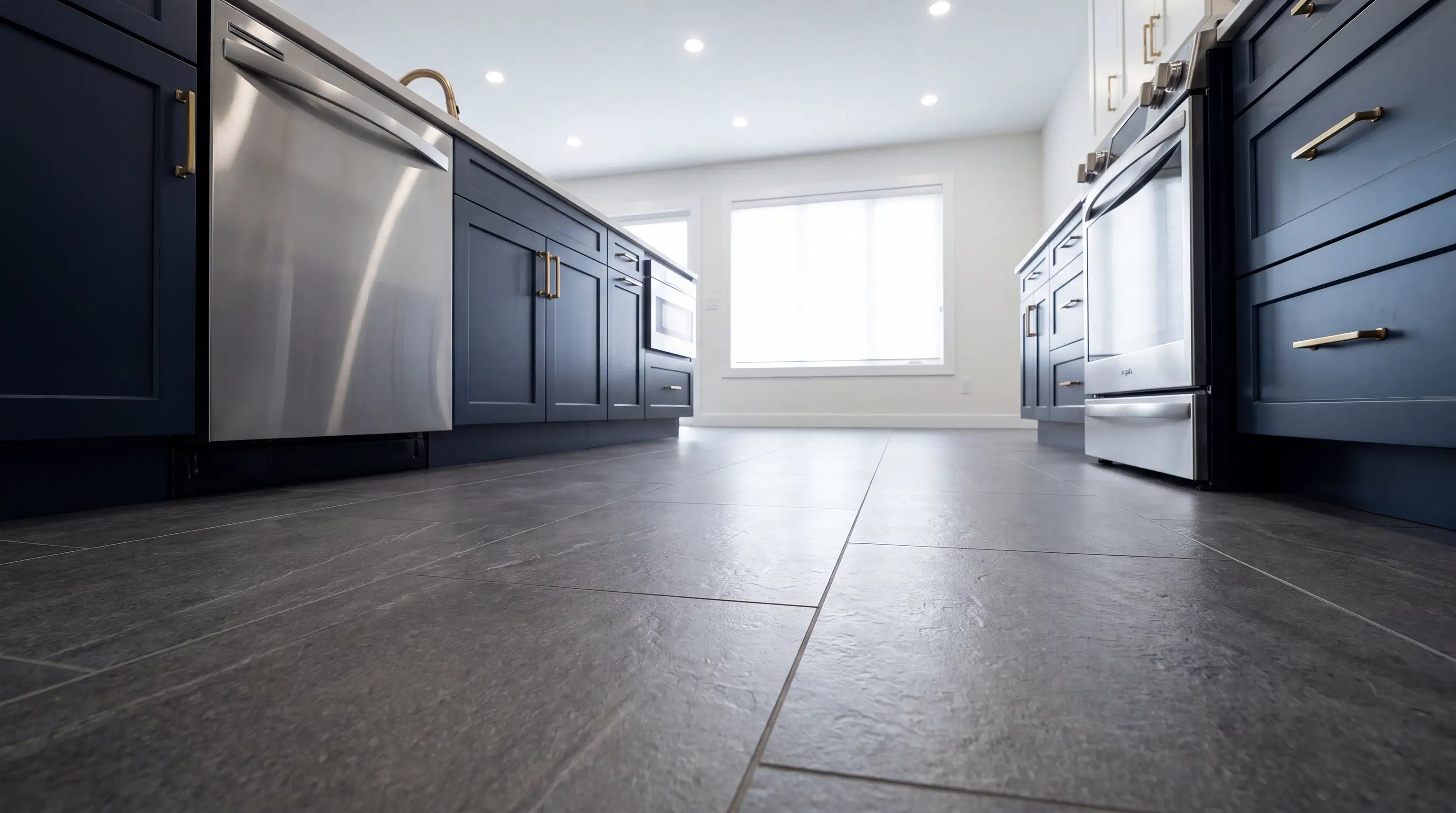
A successful renovation relies heavily on the correct order of operations for kitchen tile remodel projects. Doing things out of sequence can lead to damaged materials, uneven finishes, or project delays. One of the most common questions we hear during the planning phase is whether to tackle kitchen tile installation before or after cabinets.
The answer largely depends on the type of flooring and the specific layout of your kitchen, but in most professional renovations, installing tile floors before the cabinetry is the preferred method. Running the tile wall-to-wall under the cabinets provides a clean, level surface for the cabinet installers to work with. It also means that if you ever decide to change your cabinet layout in the future, you won't be left with awkward, untiled gaps on your floor.
However, some homeowners opt to install cabinets first to save on the cost of flooring materials that will ultimately be hidden. If you choose this route, the tile must be cut precisely around the cabinetry footprint, and the baseboards or toe kicks will need to be installed afterward to hide the seams. While this can save a small amount on material costs, it often increases labor time. A reliable general contractor will provide a detailed, transparent estimate outlining both options so you can make an informed decision without worrying about hidden fees later.
Coordinating Backsplash Install with Countertops
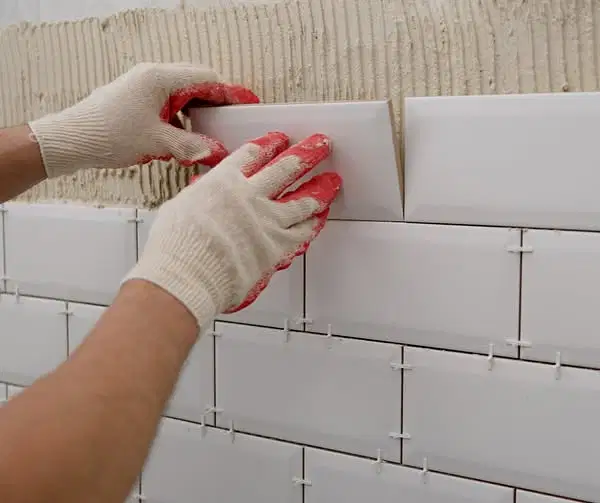
Once the floors and cabinets are set, the next major milestone is coordinating backsplash install with countertops. This is a sequence that leaves absolutely no room for debate: countertops must always be installed before the backsplash.
There are several reasons for this strict sequence. First, base cabinets and countertops carry significant weight. When the heavy stone or quartz is placed onto the cabinets, the entire assembly can settle slightly. If your tile backsplash was already on the wall, this settling could easily crack the grout lines or the tiles themselves.
Secondly, the countertop provides the foundational line for the backsplash. Walls are rarely perfectly straight or plumb. By installing the countertop first, your tile installer has a true, level surface to work from, ensuring that the grout lines of your backsplash remain perfectly horizontal. Finally, installing the countertop first allows the tile installer to caulk the seam between the bottom row of tiles and the counter, creating a watertight seal that protects your walls from spills and moisture—a crucial detail for maintaining a healthy, durable kitchen.
Keeping this sequence in mind helps mitigate supply chain delays. You can order your backsplash tile well in advance, but the actual installation will wait until the countertop fabrication and installation are fully complete.
Navigating Your Remodel with Confidence
Understanding the construction sequence is empowering, but finding the right team to execute it is what truly guarantees peace of mind. Many homeowners ask how to choose a general contractor who is both trustworthy and capable. You should always look for a team that emphasizes clear communication, maintains strict safety standards on a clean job site, and carries comprehensive insurance and proper licensing.
It is also important to discuss financial expectations upfront. A standard payment schedule for a remodeling project should be tied to clear milestones—such as a deposit upon signing, a payment when flooring is completed, another after cabinets and countertops, and the final percentage only when you are completely satisfied with the finished job. Avoid contractors who demand the majority of the budget upfront, as this often leads to the very project delays and financial strains you are trying to avoid.
At Wilmington Tile and Renovation, we pride ourselves on bringing Down East hospitality and transparent, high-quality craftsmanship to every home we enter. We understand the unique challenges of coastal construction and use the latest digital tools to ensure you are informed every step of the way. If y'all are ready to start planning a kitchen space that perfectly balances beauty and durability, contact us today to schedule a consultation and bring your vision to life.